
‘Bastille Day’ Through Neil Peart’s French Revolution Lens

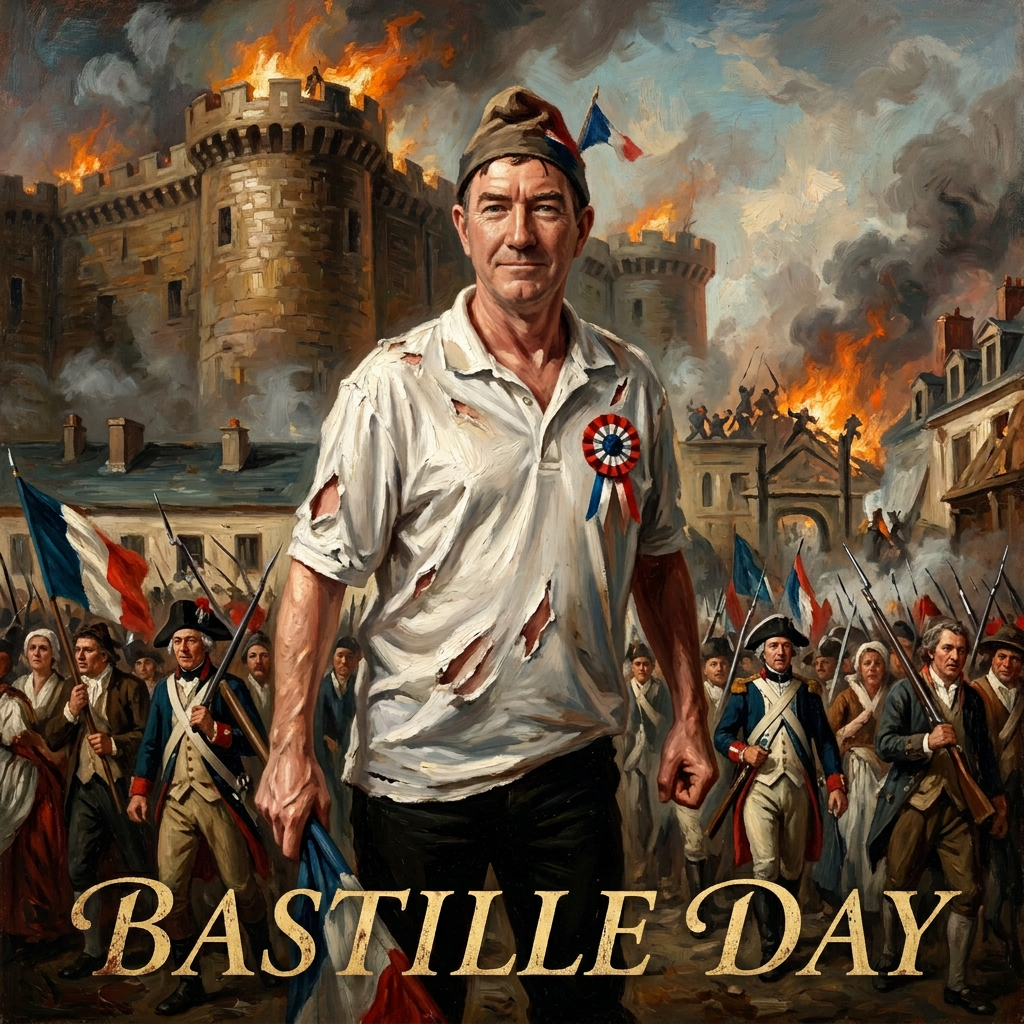
Happy Bastille Day! 🇫🇷🎸 Today, we’re celebrating with a deep dive into the Rush classic “Bastille Day” from their 1975 album, ‘Caress of Steel’.
Neil Peart, the legendary lyricist and drummer, used the historical storming of the Bastille as a powerful metaphor for the cyclical nature of power and the lessons humanity often fails to learn. To honor this theme, I created a unique ‘Picture Lyric’, a cinematic reimagining that places a modern face right into the heart of the 1789 uprising.
The lyrics remind us: “Lessons taught but never learned / All around us, anger burns.” As we look at the echoes of history today, Peart’s words remain as sharp as the “bloody prize” of the guillotine he wrote about.
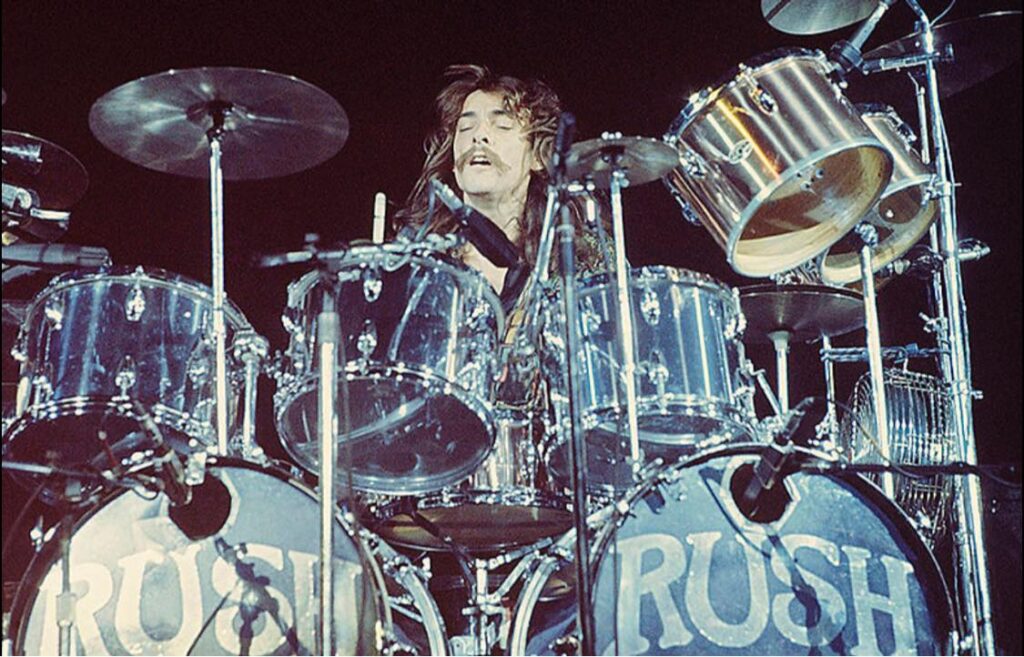
Our analysis explores the lyrical narrative of Rush’s “Bastille Day” from the 1975 album Caress of Steel, examining how Neil Peart uses the French Revolution as a lens to discuss the cyclical nature of power, class resentment, and historical inevitability.
The Inversion of Power: Analysis of “Bastille Day”
“Bastille Day” serves as a historical dramatization that shifts from the immediate visceral anger of the 1789 uprising to a philosophical reflection on how humanity fails to learn from the “lessons taught” by such bloodshed.
The Contrast of Excess and Decay
The song opens by juxtaposing the legendary indifference of the monarchy with the harsh reality of the peasantry.
- “Ooh, there’s no bread, let ’em eat cake”: By invoking the (historically debated) quote attributed to Marie Antoinette, Peart establishes the disconnect between the ruling class and the starving masses.
- “Bloodstained velvet, dirty lace”: This imagery highlights the physical ruin of the aristocracy. The high-status symbols (“velvet” and “lace”) are literally and figuratively soiled, signaling that their “noble birth” no longer provides protection from the “naked fear” of the uprising.
The Guillotine as a “Bloody Prize”
The chorus focuses on the guillotine not just as a tool of execution, but as a symbolic “prize” of the revolution.
- “The king will kneel and let his kingdom rise”: There is a profound irony here. In the monarchical view, the King is the kingdom. By forcing him to “kneel” at the blade, the “innocent” are freed, and a new version of the kingdom—a Republic—is allowed to rise from the ashes of the old.
- “Choirs of cacophony”: This phrase captures the chaotic, unrefined voice of the masses. Unlike the structured music of a royal court, the revolution is loud, disorganized, and violent, yet it possesses its own dark harmony.
The Cycle of History: “Lessons Taught but Never Learned”
The final verse shifts the perspective from the 18th century to a broader, timeless observation of human behavior.
- “Guide the future by the past”: This is the core thesis of the song. Peart suggests that while the “mould was cast” long ago, humanity remains trapped in the same patterns of “anger” and greed.
- “Power isn’t all that money buys”: The closing line serves as a warning to those in power. While wealth can secure influence and comfort, it cannot buy immunity from a populace that has been pushed too far. The “echoes of the centuries” suggest that the Bastille is not just a specific building in Paris, but a recurring symbol for any tipping point where the oppressed reclaim power.
Note: Neil Peart wrote these lyrics during the band’s “progressive” transition. While the song is a high-energy rocker, it laid the groundwork for his later, more complex explorations of individualism and societal structures in albums like 2112 and A Farewell to Kings.
What’s your favorite Rush lyrics? Let me know in the comments below.