
What’s Going On?: The July 2026 Global Wildfire Crisis

The Global Inferno: Why the World is Burning Simultaneously in July 2026
By Scott Price Media Research Team
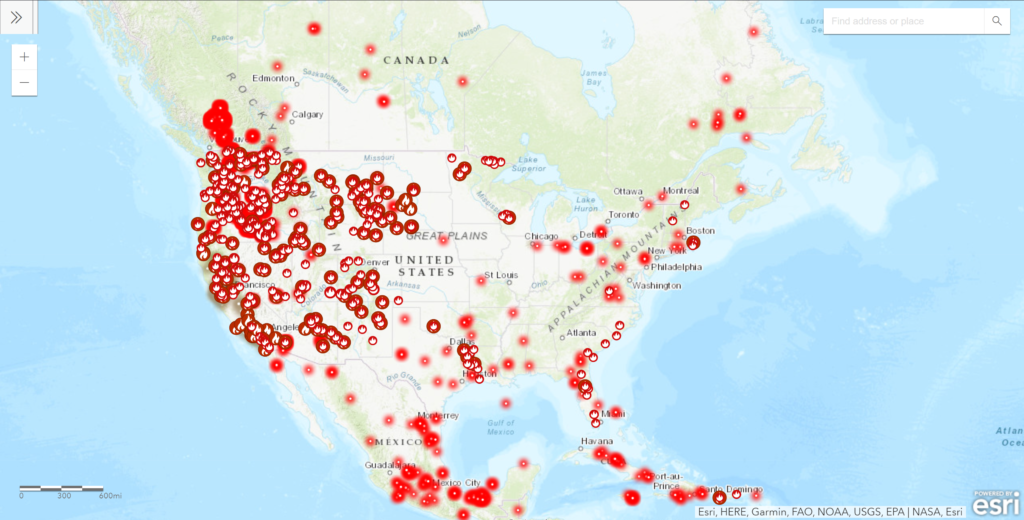
Across the globe, the week of July 26, 2026 has been defined by a relentless series of wildfires. From the palm lined marshes of Florida to the ancient forests of France, landscapes are being consumed by flames at a rate that has overwhelmed international resources. As of today, the National Preparedness Level remains at its maximum (Level 5), signaling a crisis that spans continents.
The Florida Front: A State in Drought
Closer to home, Florida is currently battling two massive blazes that have blanketed the southern peninsula in ash. The Berger Fire in Palm Beach County has consumed 13,704 acres, while the Mile Marker 40 Fire in the Everglades follows closely at 6,750 acres [source: bocaratontribune.com].
These fires are not isolated incidents. Instead, they are the result of a severe, year-long drought that has left 88% of the state dangerously dry. While fire crews have reached 75-95% containment on these specific blazes, the risk remains critical as temperatures stay pinned in the 90s.

A World on Fire: The International Scope
The crisis extends far beyond the U.S. borders. In Western Europe, France and Spain are experiencing what officials call a “national emergency.”
- France: A “monster blaze” near Bordeaux has burned over 100,000 hectares, leading to the evacuation of more than 220,000 people [source: fastcompany.com].
- Spain: High temperatures have fueled fires in Almeria and Valencia, tragically resulting in 14 fatalities this week.
- Canada: In British Columbia, the village of Clinton was evacuated just today as nearly 60 “out of control” fires rage across the province.
Why Now? The “Triple Threat” Determination
Many are asking why these fires are occurring all at once. Our research points to a “triple threat” of climate factors that have converged this July:
- Stationary Heat Domes: Stagnant high-pressure systems have settled over North America and Europe. These domes trap heat and create “firewave” conditions, turning forests into tinderboxes.
- Atmospheric Thirst: Higher temperatures have increased the “vapor pressure deficit.” In simpler terms, the air is acting like a sponge, aggressively sucking moisture out of the soil and plants [source: nasa.gov].
- The 2026 El Ni\u00f1o Shock: A strengthening El Ni\u00f1o pattern has shifted global jet streams, suppressing necessary rainfall in regions like the Caribbean and the U.S. Southeast while driving record heat in the Pacific.
Moving Forward
This week has proven that wildfires are no longer regional inconveniences but a unified global challenge. As hazardous smoke plumes from Canada drift into New York and Chicago, and Florida residents deal with falling ash, the need for coordinated climate adaptation has never been more urgent.
[Important]
Residents in fire-prone areas should maintain a “Go Bag” and stay tuned to local air quality alerts (AQI), as conditions can shift rapidly under these extreme heat domes.